
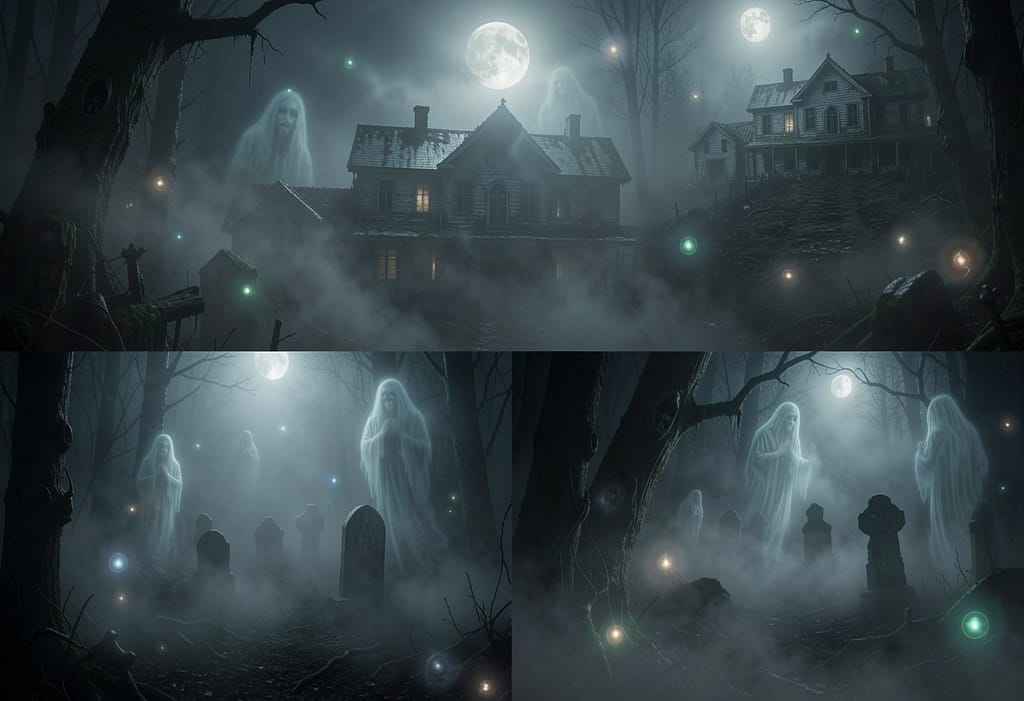
Scotland’s ancient landscape breathes with restless spirits. Towering castles guard secrets of betrayal and bloodshed, while misty battlefields replay centuries-old tragedies. From Highland massacres to royal hauntings, these 11 locations stand as the nation’s most haunted, where whispers of the dead echo through stone corridors and open moors. Paranormal investigators flock here for EVPs of phantom pipers and glimpses of Green Ladies gliding through the gloom. Whether you’re a skeptic or spirit seeker, Scotland’s haunted heritage offers chills that linger long after dark.
Why Scotland Feels So Haunted
Scotland’s turbulent past fuels its spectral reputation. Clan wars, witch hunts, Jacobite rebellions and royal executions left psychic scars on the land. Castles like Glamis claim more ghosts than any other in Britain, cursed by medieval prophecies. Green Ladies—harbingers of doom—haunt family seats, while battlefields swarm with reliving soldiers. Eyewitness reports span centuries: cold spots, full-bodied apparitions, objects hurled by poltergeists. Modern ghost hunters capture orb swarms and Class A EVPs confirming names from history. The Highland mists amplify unease, turning folklore into felt presence.
11 Haunted Locations
1. Glamis Castle, Angus
Scotland’s most haunted castle looms since 1032, birthplace of Queen Elizabeth II yet cursed by secrets. The Grey Lady—likely Lady Janet Douglas, burned as a witch in 1537—glides corridors, her skeletal form vanishing into walls. A vampire boy allegedly starves in a hidden room, while Earl Beardie plays endless cards with the Devil. Guests hear disembodied footsteps and children’s cries from empty towers. One investigator captured “Help me” on EVP during a vigil in the chapel.
2. Edinburgh Castle, Edinburgh
Perched on volcanic rock, this 12th-century fortress saw sieges, massacres and executions. The Headless Drummer Boy—killed in 1650 warning of Cromwell’s attack—marches battlements, drumless but thunderous. Phantom pipers wail from dungeons, and a spectral dog guards the gates. French POW ghosts shuffle prison vaults, their chains rattling. Recent vigils yield temperature drops to freezing and soldier silhouettes in photos.
3. Fyvie Castle, Aberdeenshire
Cursed by Thomas the Rhymer in 1290 when gates slammed on him, Fyvie bleeds from weeping stones foretelling death. The Green Lady haunts the charter room, leaving bloodstains that vanish by morning. A trumpeter’s ghost signals tragedy, heard before family deaths. EVPs capture women’s screams, and shadows dart grand staircases. Investigators report pushed sensations and battery drains.
4. Culloden Battlefield, Inverness
Site of the 1746 Jacobite massacre where 1,500 Highlanders fell in one hour to government muskets. Ghosts relive the rout: clansmen charge empty fields, moaning winds carry Gaelic cries. A spectral officer on horseback gallops the moor, while Redcoat shadows fire volleys at dawn. Visitors feel overwhelming sadness and hear distant gunfire. Paranormal teams record soldier voices begging “Fight on.”
5. Crathes Castle, Aberdeenshire
The Green Lady—servant girl whose child starved behind a fireplace—haunts since the 1500s. Skeletal remains found in 1800s confirmed her tale. She cradles phantom babies in the haunted bedroom, leaving green slime trails. Poltergeist activity hurls objects; guests wake scratched. EVPs plead “My baby!” amid crib rocking sounds.
6. Stirling Castle, Stirlingshire
Green Lady—servant who perished saving Mary Queen of Scots from fire—warns of doom. Highland soldiers march pink hall, swords clashing. Queen Mary’s cursing spirit shrieks from her chambers. Visitors report apparitions in tartan and battle cries echoing battlements. Ghost hunts capture Gaelic whispers.
7. Greyfriars Kirkyard, Edinburgh
Bloody Mackenzie’s poltergeist attacks since 1998 tomb opening. Over 400 scratches, bruises on visitors; one investigator fled bleeding. Mackenzie—responsible for 100+ Covenantor deaths—hurls gravel and slams gates. EVPs growl “Get out!” Kirkyard tours halt from violence.
8. Dunrobin Castle, Sutherland
Phantom maid plummets from tower, pushed by jealous laird. Spanish soldiers from 1719 siege haunt grounds. Guests see her terrified face at windows. Poltergeists smash glass; cold winds buffet empty rooms.
9. Glencoe, Highlands
1692 massacre ghosts—38 MacDonalds slaughtered by government troops they hosted—wander anniversary nights. Screams pierce fog; bloody figures stagger hills. Hikers feel watched, hear Gaelic pleas.
10. Mary King’s Close, Edinburgh
Plague victims sealed alive claw walls, tongues lolling. Annie—girl with doll offering—tugs hands. Tourists vomit inexplicably; EVPs beg “Mother.” Black plague doctor stalks alleys.
11. Rothiemurchus Graveyard, Aviemore
Cursed grave of Seath Mòr “Bucktooth”—14th-century Shaw chief—spawns vengeful spirit. Bucktoothed apparition attacks grave desecrators. Dogs howl; compasses spin.
What the Legends Have in Common
Green Ladies signal death across castles, tied to childbirth tragedy. Jacobite ghosts replay defeats on moors. Poltergeists guard dark histories—Mackenzie’s malice, lairds’ cruelty. Recurring EVPs plead for release; apparitions favor misty dawns. Violence births unrest—sieges, betrayals, executions.
Why Ghost Hunters Visit Scotland
Dramatic ruins yield prime vigils: castle towers for sky watches, battlefields for soldier calls. Tech thrives—SLS figures in empties, spirit boxes spit Gaelic. Tours access sealed sites; folklore guides investigations. Proximity to DeadLive events makes multi-day hunts easy.
North Wales’ castles echo similar unrest, perfect for cross-border ghost hunts.
We would love to investigate these locations, but right now we are running events at Lark Lane Liverpool, Mayer Hall Wirral, Penrhyn Old Hall, Coffee House Wavertree, Transport Museum Manchester.
DeadLive – taking you where the haunting is happening.